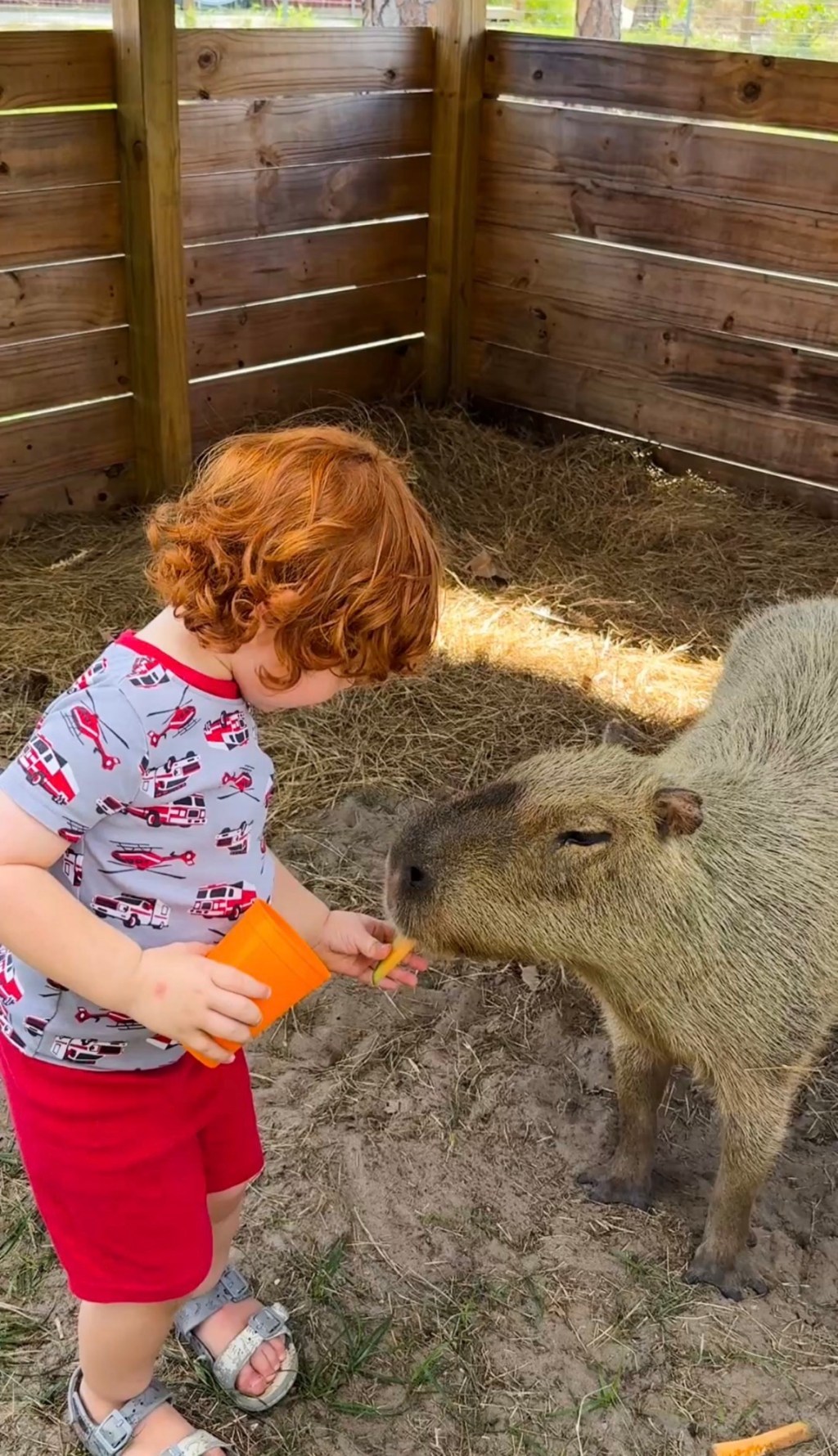
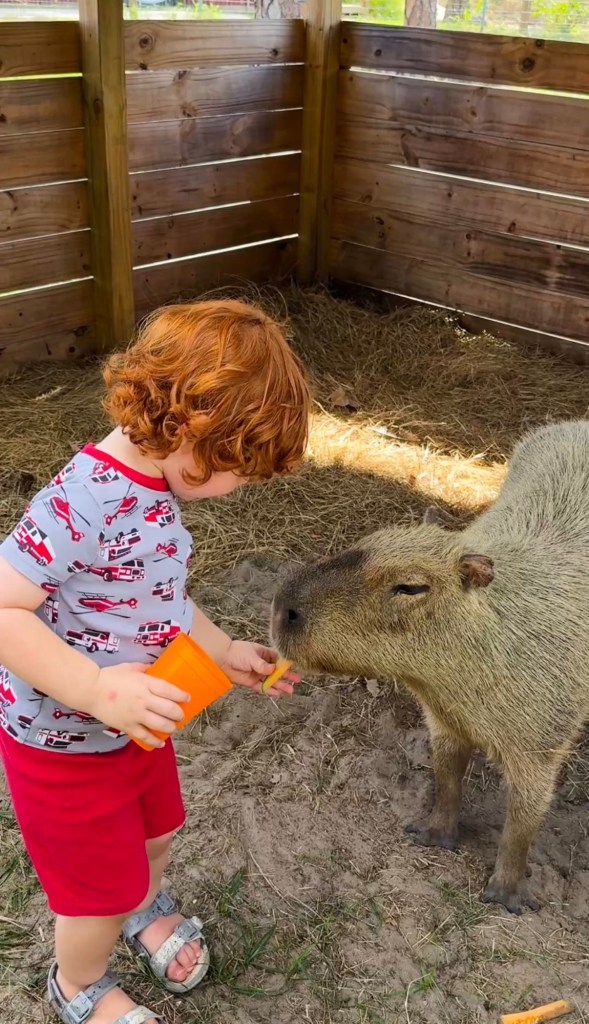
Field trips do not have to be expensive, far away, or complicated to be meaningful. Some of the most powerful learning experiences happen through simple outings that connect kids to the world around them. Whether you homeschool full-time, travel school, or just want to add more learning into everyday life, free and low-cost field trips can support academic growth at every age.
Below are ideas organized by age group, along with tips for turning those experiences into real learning without overcomplicating things.
Toddler and Pre-K Field Trip Ideas
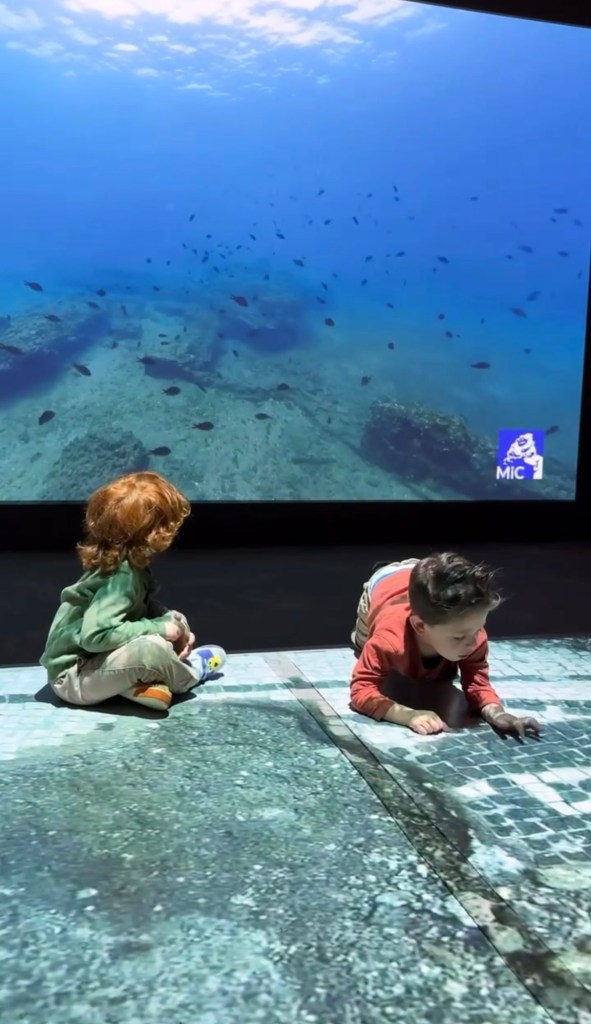
Young children learn best through sensory experiences, language exposure, and simple observation. At this stage, the goal is not mastery but exposure and vocabulary building.
Free and Low-Cost Ideas
- Public libraries for storytime, book browsing, and early literacy events
- Parks and playgrounds for movement, counting, and nature exploration
- Nature trails or walking paths to observe animals, plants, and weather
- Fire stations, police stations, or post offices that offer short tours
- Farmers markets to talk about food, colors, and where things come from
- Pet stores to observe animals and practice descriptive language
Learning Focus
- Language development
- Letter and sound exposure
- Counting and sorting
- Social skills and curiosity
Elementary School Field Trip Ideas
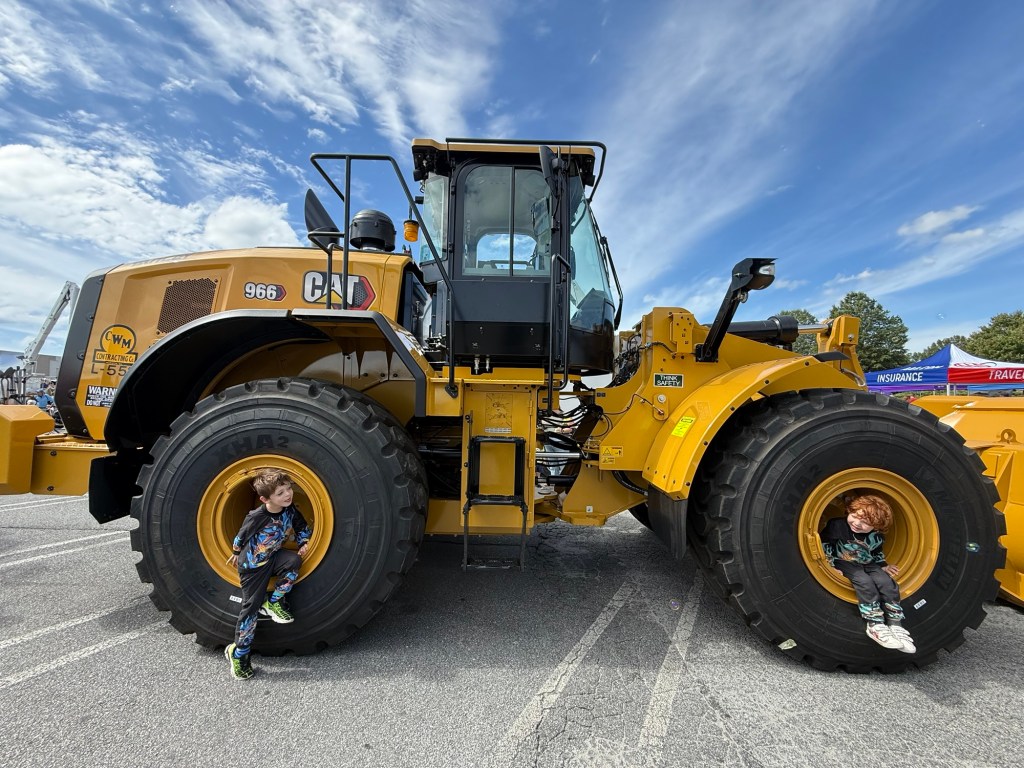
Elementary-aged kids are ready to connect experiences to specific academic concepts. This is a great age for hands-on learning paired with light structure.
Free and Low-Cost Ideas
- Museums with free admission days
- Zoos, wildlife centers, or nature preserves
- Historical landmarks, monuments, or local museums
- Botanical gardens or community gardens
- Local businesses like bakeries, farms, or factories
- City hall or courthouse tours
Learning Focus
- Reading informational text
- Writing reflections or summaries
- Math skills like counting, measuring, and data collection
- Science concepts such as habitats, ecosystems, or life cycles
- Social studies and community awareness
Middle School Field Trip Ideas
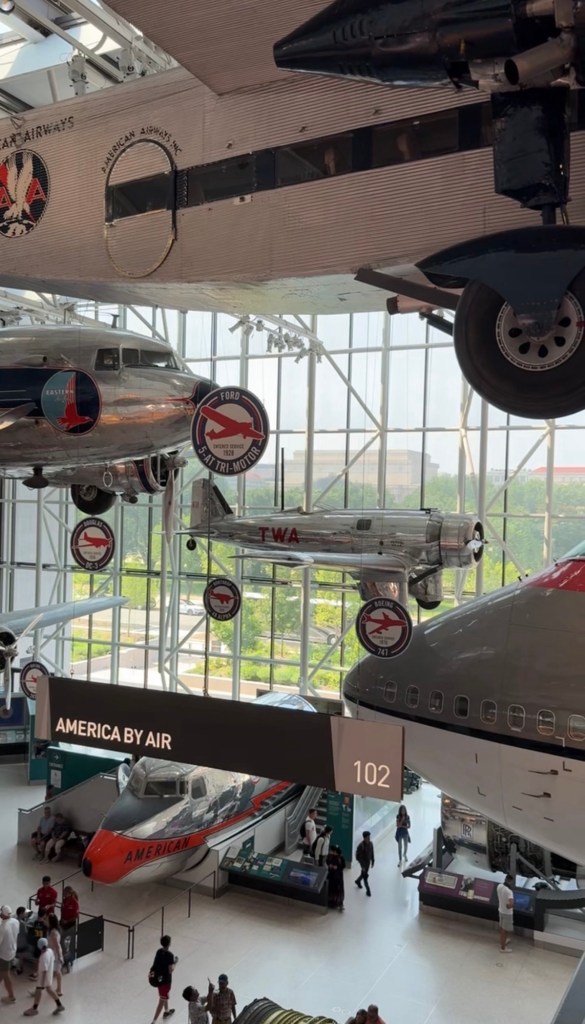
Middle school students benefit from experiences that encourage critical thinking, research, and real-world connections.
Free and Low-Cost Ideas
- College campuses or vocational schools
- Science centers or planetariums
- Art museums or public art installations
- Environmental centers or conservation areas
- Historical reenactments or heritage sites
- Community volunteer opportunities
Learning Focus
- Research and note-taking
- Analytical writing
- Data collection and interpretation
- Career exploration
- Connecting history and science to real-world applications
High School Field Trip Ideas
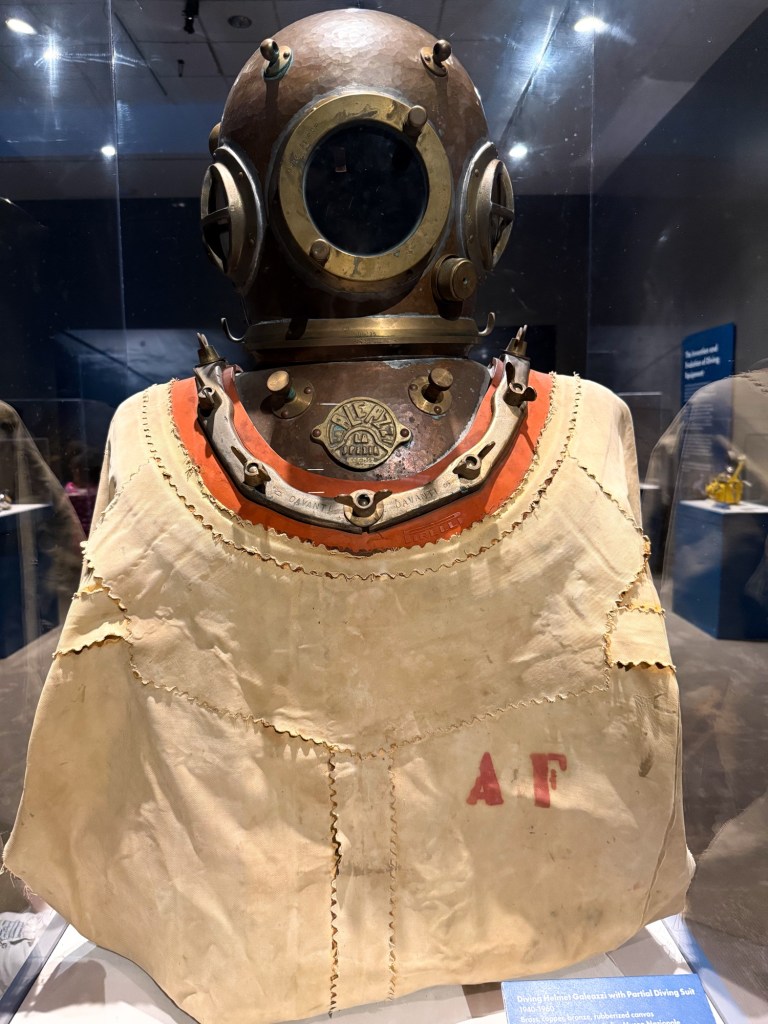
High school field trips can support deeper learning, career readiness, and independent thinking.
Free and Low-Cost Ideas
- Career fairs and job shadowing opportunities
- Public lectures, workshops, or community classes
- Local government meetings or court sessions
- Museums with advanced exhibits or archives
- Cultural centers or historical societies
- Volunteer work related to student interests
Learning Focus
- Research projects
- Presentation skills
- Career and life skills
- Critical analysis
- Independent learning and documentation
Turning Field Trips Into Academic Learning Without Overplanning
The learning does not need to end when the trip is over. A little structure goes a long way in helping kids connect experiences to academic standards.
Simple ways to reinforce learning include:
- Journaling about what they saw, learned, or felt
- Completing age-appropriate worksheets tied to the theme of the trip
- Researching one topic they were curious about afterward
- Creating a short presentation, drawing, or project
- Practicing writing, math, or vocabulary connected to the experience
For families who want a ready-made way to reinforce learning, themed worksheets and task cards can help children apply what they experienced in a structured but approachable way.
For example, after visiting a zoo or wildlife center, animal-themed math or literacy activities can reinforce counting, vocabulary, and observation skills in a way that connects directly back to the trip.
Final Thoughts
Field trips do not need to be big or expensive to be impactful. When children explore their world and then reflect, document, and practice what they experienced, learning becomes meaningful and memorable. By combining real-world experiences with simple academic reinforcement, families can create a well-rounded learning environment that supports curiosity and skill-building at every age.
Ready to learn on the go?
- 🧳 Travel learning printables and resources: Browse our full collection on Teachers Pay Teachers, designed to help connect real-world experiences to early learning standards.
- 🎥 Daily travel inspiration and learning tips: Follow us on TikTok for ideas you can use right away with young kids.
- 👨👩👧👦 Community support: Join our Facebook Group to connect with other families who love learning through travel and everyday adventures.
- 📘 Alphabet learning through real experiences: Start with a free sample of our Alphabet Adventure Journal, or explore the full journal for families learning on the go.


Leave a Reply