Travel is one of the most exciting ways to expose young children to new experiences, ideas, and environments. Many parents worry about one thing: how to make sure their kids are learning while on the go without turning every trip into a lesson.
The good news is that you can teach academic skills while keeping travel fun and engaging. With a few simple strategies, your kids can learn naturally, and worksheets can help make those experiences even more meaningful.
Let Experiences Lead the Learning
The first step is to remember that experiences come first. Travel-based learning works best when children are exploring, observing, and asking questions.
Let your child’s curiosity guide the day. For example:
- At a zoo, let them notice animals, sounds, and colors
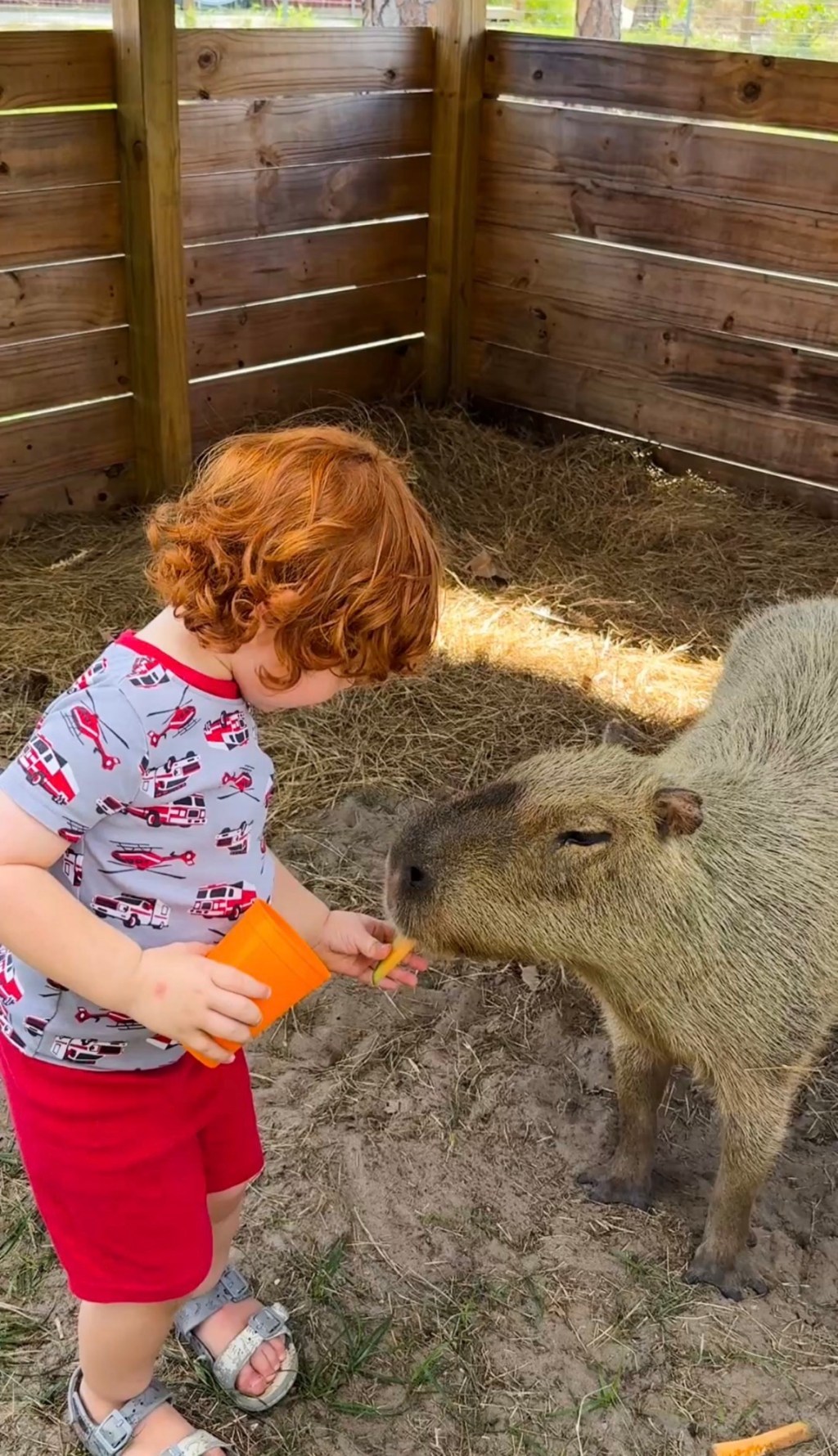
- At a farm, allow them to explore animals, plants, and equipment
- On a nature hike, encourage them to spot patterns, shapes, or signs of wildlife
These observations naturally introduce vocabulary, counting, comparisons, and problem-solving.
Worksheets Make Learning Stick
Worksheets are not a replacement for experiences. They are a tool that helps children connect what they saw and experienced to concrete academic skills.
When children complete worksheets that follow an experience, they are able to:
- Practice letters, numbers, and early literacy skills in context
- Strengthen counting, sorting, and pattern recognition skills
- Reinforce observations and vocabulary from real-world exploration
- Build confidence by showing what they learned
For example:
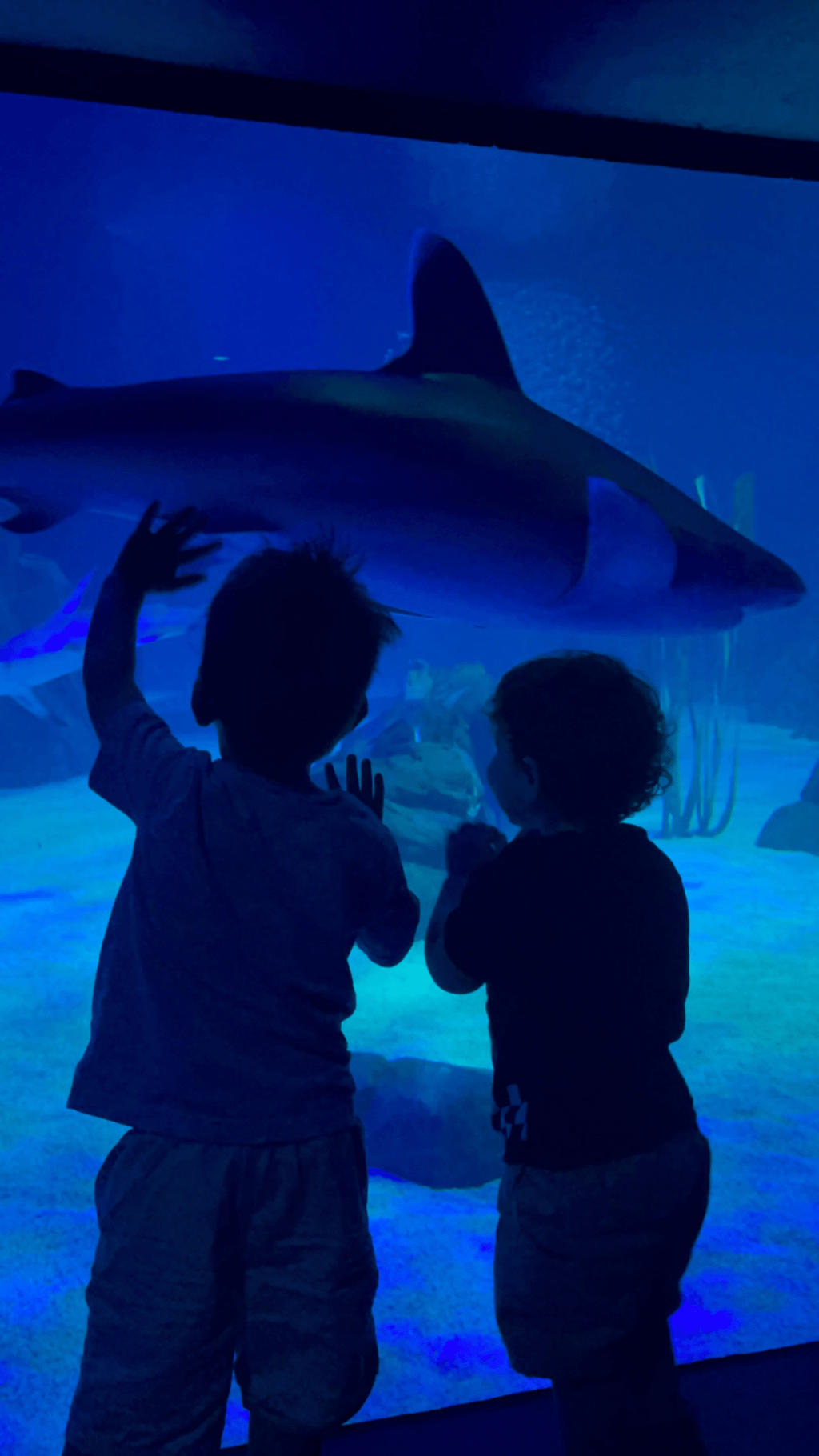
- After a visit to an aquarium, a worksheet might ask children to identify animals or count fins. This connects their hands-on observations to early math and literacy practice
- After a trip to a botanical garden, worksheets can guide children in noticing shapes, colors, and letters they saw on signs or plants
Worksheets take the natural curiosity sparked by travel and turn it into measurable learning without taking away the fun.
Mini Learning Moments Work Best
You do not need to structure every second of travel. Short, intentional moments throughout the day are enough to support skill-building.
Ideas include:
- Counting the steps on a trail or stairs
- Naming letters or words on signs and tickets
- Sorting objects like leaves, shells, or souvenirs by size or color
- Asking “why” or “how” questions about the things you see
These mini moments create meaningful experiences that worksheets can later reinforce. Together, they make learning both active and intentional.
Connect Learning to What Your Child Already Knows
Children learn best when new ideas connect to something familiar. Travel provides endless opportunities for these connections.
For example:
- Point out patterns at the aquarium and relate them to patterns your child has seen at home
- Count animals at the farm and connect the numbers to a worksheet practice activity
- Discuss letters seen on city signs and reinforce them with a corresponding alphabet worksheet
Worksheets help take observations from travel and solidify them into skills children can use confidently.
Keep the Focus on Fun and Curiosity
The most important rule is to keep learning joyful. Travel-based learning should feel exciting, not like a lesson.
Worksheets can support learning without turning trips into school. When children are curious and engaged, completing a short worksheet afterwards becomes a natural way to reflect on what they learned.
Travel and Worksheets: The Perfect Team
The combination of travel experiences and worksheets creates a balanced approach that is engaging, effective, and developmentally appropriate.
Travel sparks curiosity and provides real-world context. Worksheets strengthen, reinforce, and extend that learning. Together, they ensure that children develop strong academic skills while still enjoying the adventure of exploring the world around them.
Ready to learn on the go?
- 🧳 Travel learning printables and resources: Browse our full collection on Teachers Pay Teachers, designed to help connect real-world experiences to early learning standards.
- 🎥 Daily travel inspiration and learning tips: Follow us on TikTok for ideas you can use right away with young kids.
- 👨👩👧👦 Community support: Join our Facebook Group to connect with other families who love learning through travel and everyday adventures.
- 📘 Alphabet learning through real experiences: Start with a free sample of our Alphabet Adventure Journal, or explore the full journal for families learning on the go.


Leave a Reply